

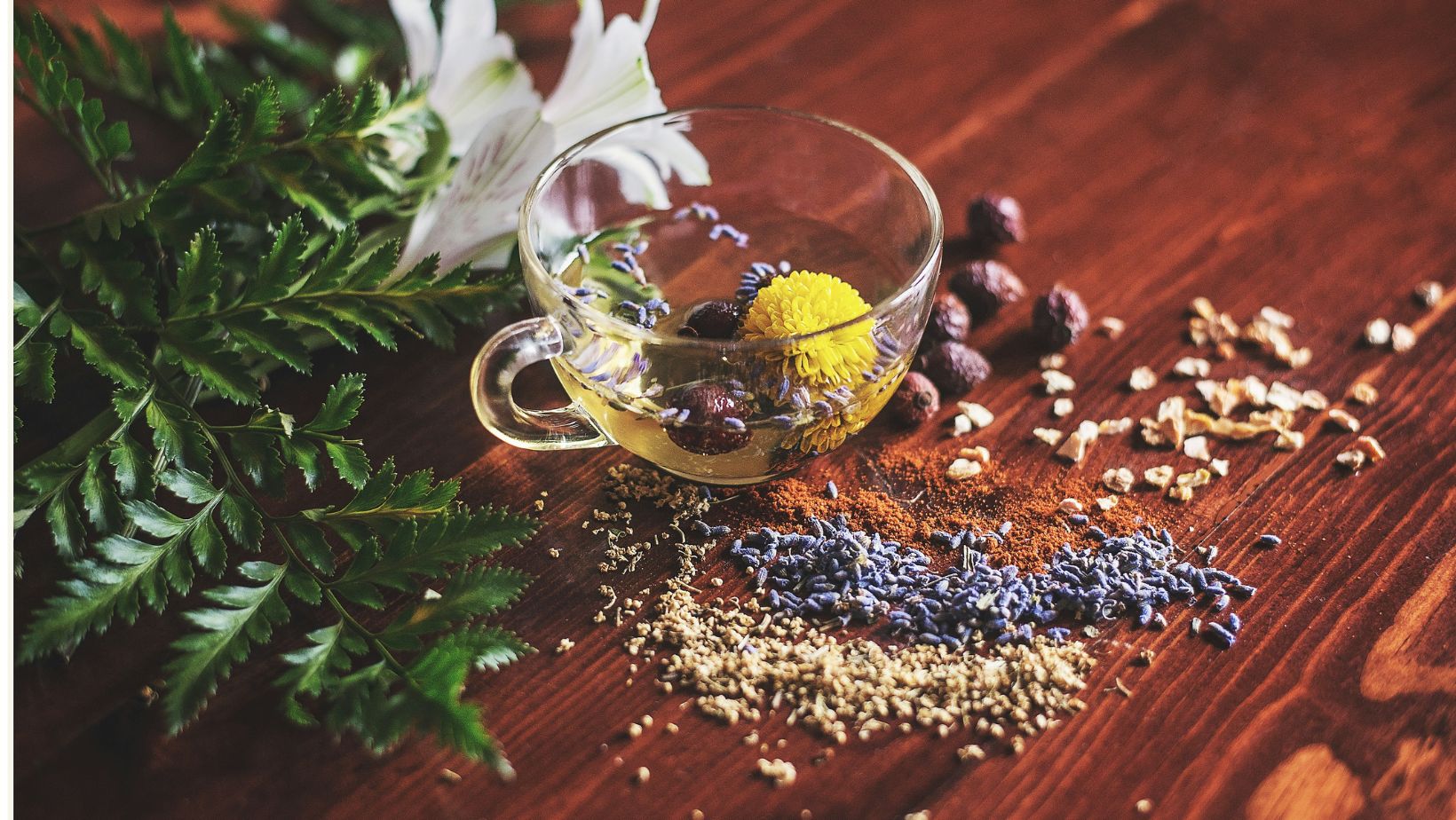
Learning Ayurveda does not always have to follow a fixed classroom schedule. Many students, wellness professionals and people interested in traditional Indian health practices prefer learning when they have enough time and concentration. A Self-Paced Ayurveda Course can provide this flexibility while allowing learners to build their knowledge step by step.
Self-paced learning is especially useful for people who have work, family responsibilities or other studies. Instead of attending every lesson at a fixed time, students can organise their learning around their daily routine.
What Is a Self-Paced Ayurveda Course?
A self-paced course allows students to move through the learning material according to their own progress. Lessons may include recorded classes, reading resources, demonstrations, assignments and assessments.
The main difference from a traditional classroom programme is flexibility. One student may complete a lesson quickly, while another may spend more time reviewing the same topic.
This approach can be helpful when studying subjects that require regular revision. Students can return to previous lessons whenever they need to refresh their understanding.
Why Choose Self-Paced Learning?
One of the biggest benefits is convenience. Students do not necessarily need to change their daily routine to attend every class.
A flexible programme can be suitable for:
- Working professionals
- Beginners
- Wellness enthusiasts
- International learners
- Students with busy schedules
- People exploring Ayurveda for personal knowledge
It also gives learners greater control over their study routine. They can decide when to watch lessons, read course material and complete assignments.
What Can You Learn?
The subjects available depend on the course level and institution. A well-structured programme may introduce learners to fundamental Ayurvedic concepts, traditional wellness practices, lifestyle principles, nutrition and selected therapies.
Students may also learn about the relationship between daily habits and overall wellbeing from an Ayurvedic perspective.
Before enrolling, it is important to read the syllabus carefully. The name of a course alone does not explain its depth, practical components or intended level.
Is Self-Paced Learning Good for Beginners?
For beginners, flexible learning can be a comfortable way to enter the subject. There is less pressure to understand everything during a single classroom session.
Students can pause lessons, make notes and revisit difficult topics before moving forward. This can make the learning experience easier for people who are completely new to Ayurveda.
However, learners should understand that theoretical study and practical training are different. If a course covers hands-on therapies, students should check whether practical instruction is available.
Self-Paced Ayurveda Learning for Wellness Professionals
People already working in wellness may use flexible education to expand their knowledge without taking a long break from their existing work.
For example, a wellness professional may want to understand traditional Ayurvedic principles, massage approaches or lifestyle practices. A self-paced programme can allow them to study during evenings, weekends or other available periods.
The suitability of a course depends on its syllabus and the learner’s professional goals.
Understanding Ayurveda Training Levels
Students researching Ayurveda education may come across terms such as RYS200, RYS300 and RYS500. These designations are generally associated with Yoga Alliance Registered Yoga School categories and should not automatically be treated as Ayurveda qualifications.
RYS200 refers to a school offering a 200-hour yoga teacher training programme. RYS300 relates to advanced 300-hour training, while RYS500 represents a 500-hour pathway combining the required training levels.
If an Ayurveda programme mentions these terms, students should check exactly what the designation applies to and what certificate they will receive. Understanding this distinction can help learners choose a programme based on accurate information.
How to Select the Right Course
Choosing a self-paced programme requires some research. Start by identifying your reason for learning Ayurveda.
If you are a beginner, look for clear introductory material. If you already have some knowledge, you may prefer a programme that explores more specialised subjects.
Also consider:
- Course duration
- Syllabus and learning modules
- Video and study resources
- Trainer information
- Practical learning opportunities
- Assignments or assessments
- Student support
- Certificate details
- Course fees
A clear course structure can make independent learning much easier.
Learning Ayurveda from India
India has a long-standing connection with Ayurveda, and learners from different countries are interested in understanding its traditional principles.
For students who cannot travel immediately, online education can be a convenient first step. Later, they may choose to attend practical sessions or further training in person.
Learners exploring structured Ayurveda education can also find information about programmes offered by Lords Ayurveda
Make Learning Part of Your Routine
The success of self-paced education depends greatly on consistency. Flexible learning does not mean learning without a plan.
Setting aside a few hours each week can help students maintain progress. Taking notes, revisiting earlier lessons and completing assignments on time can also improve understanding.
A simple weekly routine can make a large course feel much easier to manage.
Conclusion
A Self-Paced Ayurveda Course can be a practical option for learners who want flexibility without giving up structured education. It allows students to study according to their own schedule while gradually developing their understanding of Ayurveda.
Before choosing a programme, review its syllabus, learning format, trainer details, practical opportunities and certificate information. Most importantly, select a course that matches your personal learning objective.
With the right programme and a consistent study routine, self-paced learning can be a convenient starting point for exploring Ayurveda and planning further education in the wellness field.