
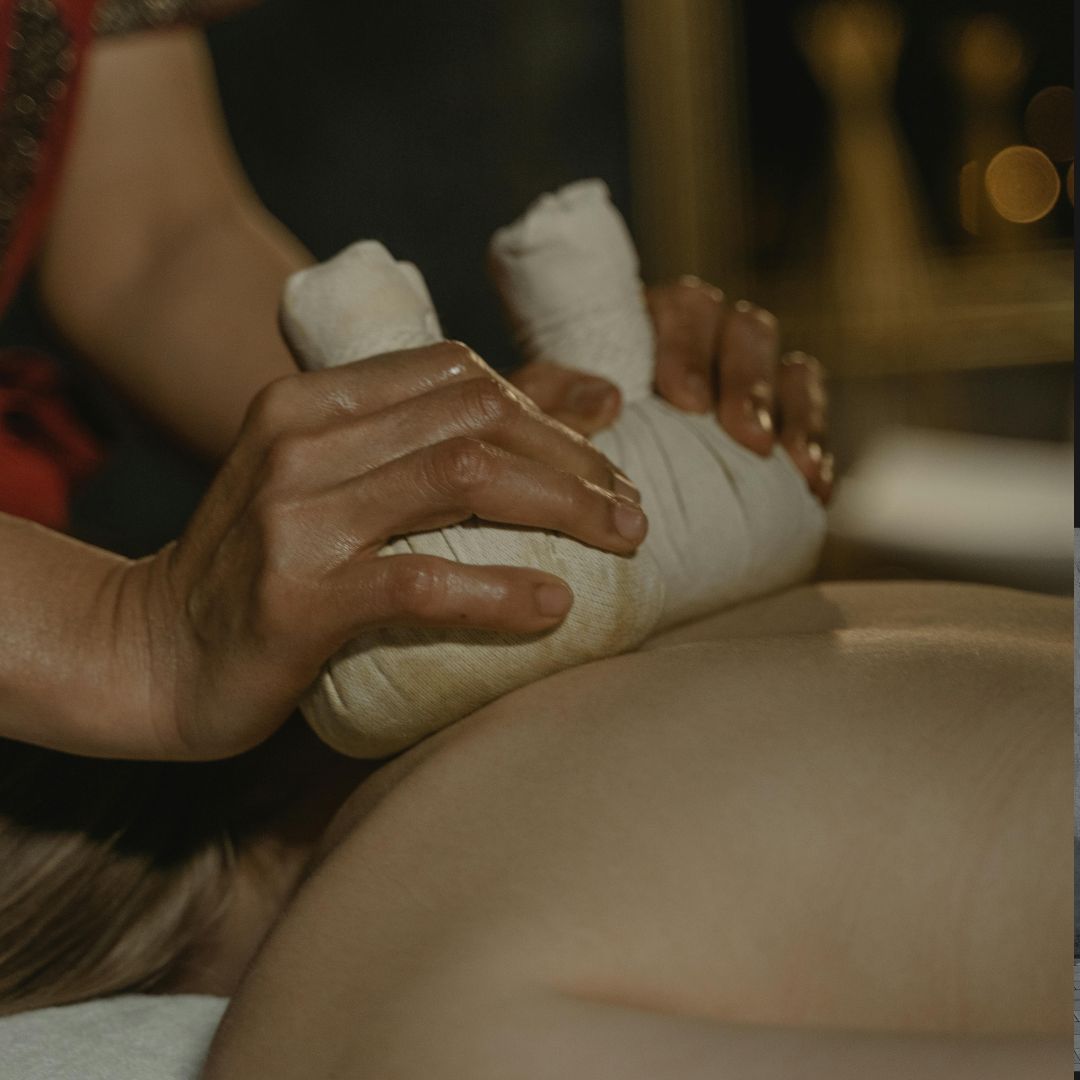
Panchakarma in Ayurveda Course is a structured detoxification and rejuvenation system that focuses on removing toxins, restoring internal balance, and improving overall health. This Panchakarma in Ayurveda Course combines traditional Ayurvedic knowledge with modern clinical understanding. Students learn both theory and practical skills, including anatomy, diagnosis, and therapy application. This training prepares learners to understand the root cause of diseases and apply natural healing methods effectively, especially through a panchakarma course in Kerala.
Understanding Panchakarma in Ayurveda Education
Panchakarma is derived from the meaning “five actions,” representing five core purification therapies used in Ayurveda. These procedures are designed to cleanse the body deeply and restore balance between the three doshas—Vata, Pitta, and Kapha.
In Ayurveda courses, Panchakarma is not just a treatment method but a complete learning system. It helps students understand how toxins (Ama) accumulate, how digestion (Agni) works, and how imbalance leads to disease. Through this, learners gain knowledge of both prevention and treatment, especially in structured programs like a panchakarma course Kannur and other ayurveda diploma courses in kerala
Integration of Traditional and Modern Learning
Modern Panchakarma courses combine ancient Ayurvedic wisdom with scientific and clinical approaches. The curriculum integrates traditional detox techniques with subjects like anatomy, physiology, and evidence-based practices.
Theoretical Foundations
Students study essential Ayurvedic concepts such as:
• Tridosha theory (Vata, Pitta, Kapha)
• Agni (digestive fire)
• Ama (toxins)
• Sareera Vijnanam (body structure and function)
This foundation helps learners understand how the body functions naturally and how imbalance occurs in a Panchakarma in Ayurveda Course.
Practical Training
• Hands-on training is a major part of the course. Students practice:
• Massage techniques
• Herbal therapy applications
• Detox procedures
• Lifestyle correction methods
This ensures they can apply their knowledge in real clinical situations, particularly in a panchakarma course in Kerala.
Special Kerala Therapies
Courses also include Kerala-specific treatments such as:
• Shirodhara
• Abhyanga
These therapies enhance both preventive and curative care skills and are key highlights in a panchakarma course Kannur.
Safety and Ethics
Students are trained in:
• Hygiene and sanitation
• Patient care standards
• Post-treatment management
• Professional ethics
This ensures safe and responsible practice in all ayurveda diploma courses in kerala.
Diploma in Ayurveda Panchakarma Therapy (DAPT)
The Diploma in Ayurveda Panchakarma Therapy is a detailed program designed to provide complete knowledge of Ayurvedic healing and detoxification, commonly offered under ayurveda diploma courses in kerala.
Course Details
• Course Name: Diploma in Ayurveda Panchakarma Therapy (DAPT)
• Duration: 12 weeks or extended 6-month structure
• Format: Online and Offline
• Session Start: 1st April 2026
The extended format includes:
• 3 months of onsite theory and practical training
• 3 months of internship-based learning
Courses are conducted multiple times a year, making it flexible for students enrolling in a panchakarma course in Kerala or specifically a panchakarma course Kannur.
Core Structure of Panchakarma Training
Panchakarma training follows a well-organized three-stage system that combines theory and practice, forming the foundation of any Panchakarma in Ayurveda Course.
1. Purvakarma (Preparation Stage)
This stage prepares the body for detoxification. It includes:
• Snehana (oil application)
• Swedana (herbal steam therapy)
These processes loosen toxins and make elimination easier.
2. Pradhana Karma (Main Procedures)
This is the main phase of treatment, consisting of five core therapies:
• Vamana (Emesis): Removes excess Kapha toxins from the respiratory and digestive system
• Virechana (Purgation): Eliminates Pitta toxins from the liver and intestines
• Basti (Enema): Cleanses Vata imbalance through medicated oils or decoctions
• Nasya (Nasal Therapy): Clears toxins from the head and sinus region
• Raktamokshana (Bloodletting): Purifies the blood in specific conditions
These therapies are personalized based on the patient’s body constitution and condition, as taught in a panchakarma course in Kerala.
3. Paschatkarma (Post-Treatment Care)
After detoxification, proper care is essential. This stage includes:
• Dietary regulation (Samsarjana Krama)
• Rest and recovery
• Lifestyle correction
• Rejuvenation practices
This helps restore strength and maintain long-term health.
Clinical Training and Skill Development
Panchakarma courses focus heavily on real-world clinical practice. Students gain experience through:
• Patient examination techniques
• Pulse diagnosis (Nadi Pariksha)
• Identifying dosha imbalance
• Planning personalized treatments
This hands-on approach builds confidence and professional competence, especially in ayurveda diploma courses in kerala.
Key Learning Areas
During the course, students develop knowledge in:
• Body constitution analysis (Prakriti)
• Disease condition assessment (Vikriti)
• Detoxification methods
• Herbal medicine preparation
• Therapy application techniques
This combination of theory and practice ensures complete understanding in a Panchakarma in Ayurveda Course.
Benefits of Panchakarma Training
Panchakarma training offers multiple advantages for both personal and professional growth.
• Clinical Expertise
Students learn practical therapies like Abhyanga and Shirodhara, enabling them to treat conditions such as stress, arthritis, and digestive issues.
• Deep Understanding
The course helps learners understand how to identify imbalances and apply personalized treatments instead of general solutions.
• Career Opportunities
After completing training, students can work in:
• Ayurveda hospitals
• Wellness centers
• Spas and resorts
• Holistic health clinics
There is also global demand for trained professionals from panchakarma course Kannur and other institutes.
• Holistic Health Knowledge
Students learn how diet, lifestyle, and detoxification work together to maintain long-term health.
Importance of Panchakarma in Ayurveda Courses
Panchakarma is a core component of Ayurveda education because it connects theory with real practice. It teaches:
• Root-cause treatment instead of symptom control
• Natural healing methods using herbs and therapies
• Preventive healthcare techniques
• Patient-centered treatment approaches
This makes it essential for becoming a skilled Ayurveda professional through a panchakarma course in Kerala.
Conclusion
Panchakarma in Ayurveda courses is a complete system of detoxification, healing, and professional training. It combines five major therapies—Vamana, Virechana, Basti, Nasya, and Raktamokshana—with preparation and post-care practices.
Through a balanced mix of theoretical knowledge and practical experience, students gain deep understanding of the human body, disease management, and natural healing. A Panchakarma in Ayurveda Course, especially through ayurveda diploma courses in kerala, helps build strong clinical skills and opens career opportunities in the growing field of holistic healthcare.