

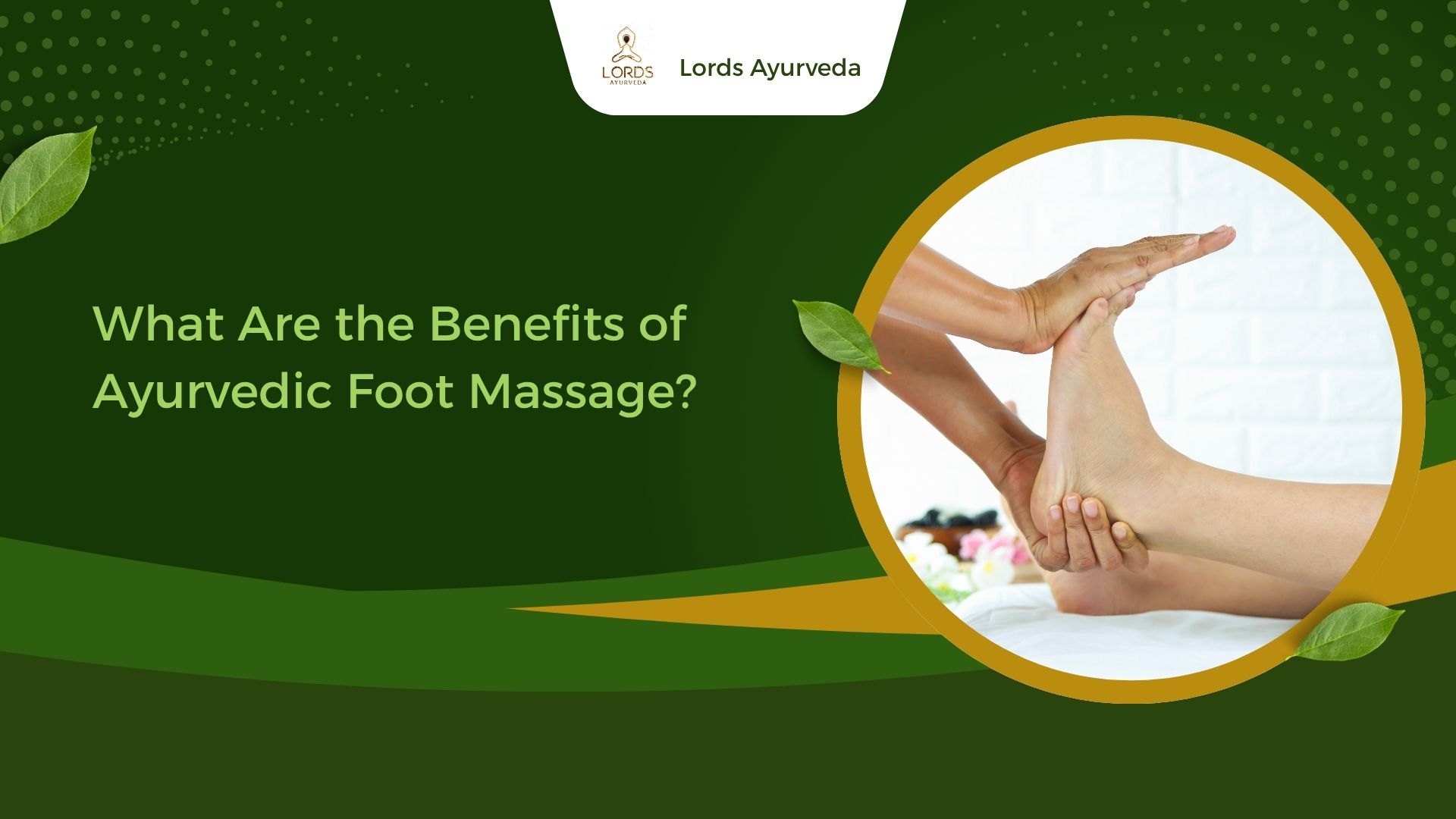
Benefits of Ayurvedic Foot Massage – Our feet carry us through countless activities every day, yet they often receive less attention than other parts of the body. From long working hours to daily travel, the pressure of everyday life can leave our feet feeling tired. Ayurvedic foot massage offers a traditional approach to foot care that combines gentle massage techniques with the use of suitable oils.
At Lords Ayurveda Research Center, traditional Ayurvedic wellness provides an opportunity to explore practices that support relaxation and personal care. Understanding the Benefits of Ayurvedic Foot Massage can help you decide whether this traditional therapy fits your wellness routine.
What Is Ayurvedic Foot Massage?
Ayurvedic foot massage, traditionally known as Pada Abhyanga, is a practice that involves applying suitable oil to the feet and massaging them with gentle, controlled movements. The technique may focus on the soles, heels, toes, and other areas according to the individual’s needs.
Unlike a quick foot rub, traditional Ayurvedic foot care is approached as a dedicated wellness practice. The practitioner considers comfort, skin condition, and individual circumstances when choosing the technique and oil.
7 Benefits of Ayurvedic Foot Massage
1. Helps Ease Everyday Foot Tiredness
Spending hours standing, walking, or moving between daily tasks can make your feet feel uncomfortable. A gentle foot massage may help relax tense muscles and provide temporary relief from ordinary foot fatigue.
Including foot care in your routine can be particularly comforting after a busy day. However, ongoing pain or swelling should be evaluated by a healthcare professional.
2. Creates an Opportunity for Deep Relaxation
Relaxation is one of the main reasons people choose traditional massage therapies. The slow movements, comfortable setting, and focused attention on the feet may help you unwind after a demanding day.
Taking this time for yourself can become a simple way to pause, relax, and reconnect with your body’s everyday needs.
3. Helps Maintain Soft, Nourished Skin
The skin on the soles and heels can become dry because of weather, footwear, and everyday activities. Suitable massage oils help moisturise the skin and improve its softness.
Regular foot care, gentle cleansing, and appropriate moisturising can help maintain healthier-looking feet. Deep cracks, bleeding, or persistent skin problems need appropriate medical care.
4. May Support a Calmer Bedtime Routine
Many people prefer relaxing activities in the evening to help them prepare for sleep. A comfortable foot massage may become part of this routine by providing a quiet moment before bedtime.
Although massage may encourage relaxation, it should not be presented as a proven cure for insomnia or other sleep disorders.
5. Encourages Awareness of Foot Health
Foot massage provides an opportunity to pay attention to areas that are often overlooked, including the heels, soles, and spaces around the toes.
During routine foot care, you may notice dryness, irritation, or changes that need attention. Massage itself does not diagnose foot conditions, but regular observation can help you recognise when professional advice may be necessary.
6. Offers Comfort After Daily Physical Activity
People who spend much of the day on their feet may appreciate gentle massage as part of their recovery routine. Comfortable pressure and suitable techniques may help ease mild muscle tension associated with normal activity.
The massage should never cause sharp pain or worsen existing symptoms. People with injuries or unexplained discomfort should seek professional assessment first.
7. Adds a Traditional Practice to Personal Wellness
Ayurvedic foot massage is one way to include traditional self-care in a balanced lifestyle. Alongside adequate rest, comfortable footwear, regular movement, and good foot hygiene, it can provide dedicated time for relaxation.
Its value lies in its role as a complementary wellness practice rather than a substitute for medical treatment.
How Is Ayurvedic Foot Massage Performed?
The exact procedure may differ according to the practitioner, the person’s needs, and the type of service offered. A typical session may involve the following stages.
Initial consultation: The practitioner asks about comfort, relevant health concerns, and the condition of the feet.
Preparation: The feet are cleaned, and a suitable oil is selected based on professional guidance.
Gentle massage: Controlled movements are applied to appropriate areas of the feet. Pressure and technique should remain comfortable throughout the session.
Aftercare: The practitioner provides relevant guidance about cleaning the feet, caring for the skin, and any precautions to follow.
The duration of a session and the choice of oil can vary. It is best to discuss these details before beginning treatment.
Who May Consider Ayurvedic Foot Massage?
Adults interested in traditional foot care and relaxation may consider this practice as part of their personal wellness routine. It may be suitable for people seeking a calming experience or additional care for dry skin, provided there are no relevant contraindications.
However, extra caution is necessary for people with diabetes-related nerve damage, poor circulation, open wounds, skin infections, suspected fractures, or unexplained swelling. Consult a qualified healthcare professional before receiving a foot massage if any of these concerns apply.
Pregnant individuals and people with significant medical conditions should also seek appropriate advice about treatment suitability.
Why Explore Ayurveda Treatments in Kerala?
Kerala is widely associated with traditional Ayurvedic practices and wellness experiences. People researching Ayurveda Treatments Kerala may be looking for professional guidance, traditional therapies, and a treatment approach that considers their individual circumstances.
When choosing an Ayurvedic centre, look beyond the name of the treatment. Consider practitioner qualifications, hygiene standards, clear explanations of procedures, and whether the centre assesses your suitability before treatment.
At Lords Ayurveda Research Center, you can enquire about available Ayurvedic wellness services, understand how treatments are approached, and ask which options may be suitable for your needs.
A responsible treatment experience should prioritise individual assessment, clear communication, and realistic expectations about potential benefits.
Conclusion
Caring for your feet is an important part of looking after your everyday comfort. Ayurvedic foot massage offers a traditional approach that combines gentle touch, suitable oils, and dedicated time for personal care.
If you are exploring traditional wellness options in Kerala, contact Lords Ayurveda Research Center to learn more about its available treatments and receive guidance before making a decision.
Choose informed, personalised care that respects your health, comfort, and individual needs.
FAQs
What are the main benefits of Ayurvedic foot massage?
Potential benefits include relaxation, temporary relief from everyday foot fatigue, improved skin moisturisation, and greater foot comfort. Individual experiences vary, and evidence for specific medical benefits remains limited.
What is the traditional name for Ayurvedic foot massage?
It is commonly known as Pada Abhyanga, a traditional Ayurvedic practice involving the application of oil and massage of the feet.
Which oil is used for Ayurvedic foot massage?
The choice of oil depends on the person’s skin condition, individual needs, and practitioner recommendations. An appropriate oil should be selected with attention to allergies and skin sensitivity.
Can foot massage improve sleep?
A relaxing massage may help some people unwind before bedtime. However, there is insufficient evidence to claim that Ayurvedic foot massage reliably treats sleep disorders.
How often should Ayurvedic foot massage be taken?
There is no single frequency that suits everyone. The appropriate schedule depends on the purpose of the massage, personal comfort, and professional advice.
Is Ayurvedic foot massage suitable for everyone?
No. People with certain medical conditions, foot injuries, reduced sensation, open wounds, or circulation problems may need to avoid massage or obtain medical advice first.
Where can I learn about Ayurveda Treatments Kerala?
You can contact Lords Ayurveda Research Center to enquire about available services, treatment procedures, practitioner guidance, and suitability for your needs.