

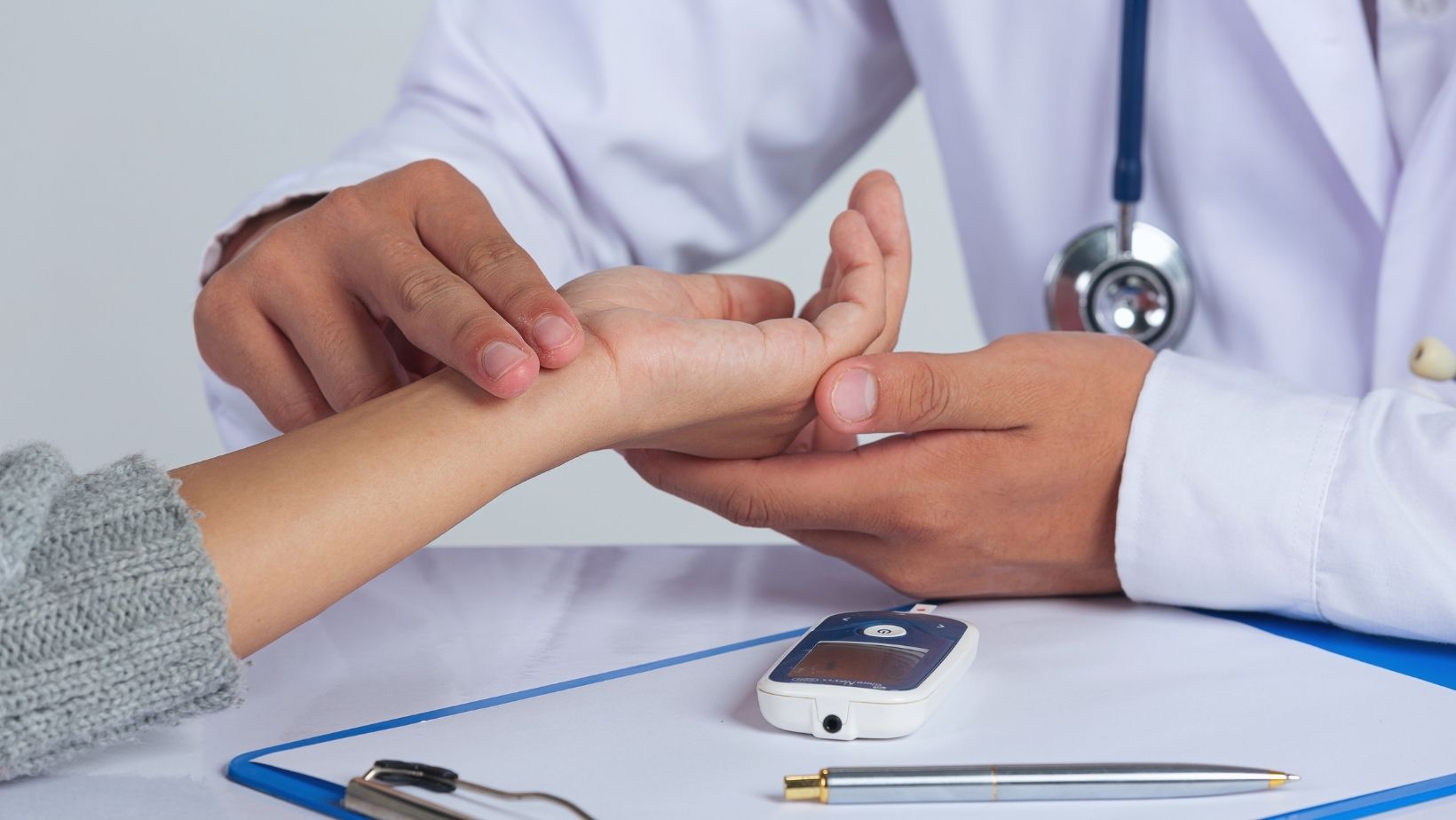
Learning to read the pulse is a specialised part of traditional Ayurvedic education. A Pulse Diagnosis Course introduces learners to Nadi Pariksha and the traditional ideas used to observe the pulse. Rather than treating pulse reading as something that can be understood from a few written lessons, proper training focuses on observation, touch, patience and repeated practice.
For someone interested in Ayurveda, this subject can open a different way of looking at traditional assessment. Students learn to pay attention to details that may be easy to overlook during an ordinary pulse check.
What Is Nadi Pariksha?
Nadi Pariksha is the traditional Ayurvedic practice of observing the pulse, usually at the wrist. The pulse is considered together with Ayurvedic concepts relating to Vata, Pitta and Kapha.
During training, learners may be taught to notice the feel, movement, pace, rhythm and strength of the pulse. The observations are studied within the traditional Ayurvedic framework rather than being treated as a modern clinical test.
Because pulse qualities can feel different from person to person, learners need time to become familiar with the process. This is why direct guidance and repeated practice are important.
What Happens During Pulse Diagnosis Training?
A Pulse Diagnosis Course can begin with simple lessons before moving into more detailed observation. Students first need to understand the Ayurvedic ideas that form the background of pulse reading.
Training may introduce learners to:
- The basic principles of Nadi Pariksha
- Traditional understanding of the three doshas
- Locations used for pulse observation
- Finger positioning
- Pressure and touch during observation
- Features that may be noticed in a pulse
- Traditional methods of recording observations
- Practice exercises
- Ways to improve consistency while reading the pulse
The order of these topics can differ between courses, but a gradual learning process can make the subject easier to follow.
Why Is Practice Important?
Pulse reading is not a skill that develops through memorisation alone. A learner may understand the theory but still find practical observation unfamiliar.
Repeated practice gives students time to become comfortable with hand placement and touch. It also helps them notice differences without rushing to an interpretation.
Feedback from a teacher can be particularly useful. An instructor can point out problems with positioning, pressure or observation and help the learner develop a more careful technique.
Who May Benefit From This Course?
People with an interest in traditional Ayurveda may consider pulse diagnosis training as an additional area of study. It can be relevant to Ayurveda learners, practitioners and professionals working in traditional wellness settings.
Those researching ayurveda diploma courses kerala may also come across pulse diagnosis as a specialised learning area. A broader ayurveda diploma course can introduce students to several branches of Ayurvedic knowledge, while a dedicated programme can give greater attention to pulse observation.
Learners considering a diploma in ayurveda kerala can therefore explore pulse diagnosis according to their educational interests and the requirements of their chosen programme.
Understanding Doshas
A basic understanding of Vata, Pitta and Kapha is useful when studying traditional pulse reading.
Vata is traditionally associated with movement. Pitta relates to transformation and heat, while Kapha is linked with stability and structure.
These concepts form part of the traditional framework through which pulse observations are understood. Students therefore benefit from learning the qualities of the doshas before attempting more detailed pulse assessment.
What Should Learners Look For in a Course?
Before joining a Pulse Diagnosis Course, learners should consider the course syllabus, teaching approach and practical component. Clear explanations are important, but opportunities for guided observation can make a major difference.
It is also useful to understand the level of the course. Some programmes may be intended for beginners, while others may assume previous Ayurvedic knowledge.
Students should also check what qualification or certificate is provided and understand the professional scope of the training.
Conclusion
A Pulse Diagnosis Course can introduce learners to Nadi Pariksha through traditional Ayurvedic concepts, careful observation and practical learning. It is best approached as a skill that develops gradually rather than something to master through theory alone. For learners who want to explore this specialised area within traditional Ayurveda, Lords Ayurveda can provide an opportunity to continue their learning in a focused setting.
FAQs
Is pulse diagnosis difficult to learn?
The basic ideas can be introduced through a structured course, but practical confidence usually develops through continued observation and practice.
Can beginners study pulse diagnosis?
Yes, if the programme is designed for beginners. A basic introduction to Ayurveda can make the subject easier to understand.
Does pulse reading replace medical diagnosis?
No. Traditional pulse reading is not a replacement for diagnosis or treatment by a qualified medical professional.