

Learning Ayurvedic bodywork can introduce students to traditional massage methods, body care practices, and foundational Ayurvedic concepts. An Ayurveda Bodywork Course provides an opportunity to understand how different techniques are organised, what materials may be involved, and why proper preparation and supervised practice are important.
For people interested in traditional wellness education, bodywork training offers a structured way to explore these practices. Understanding the course content, practical learning requirements, and possible applications can help prospective students decide whether this subject aligns with their personal interests or professional development goals.
1. Understanding the Foundations of Ayurvedic Bodywork
Ayurvedic bodywork is associated with traditional approaches to massage and physical care. Before exploring individual techniques, learners can develop an understanding of the principles that inform these practices.
Introductory learning may cover traditional Ayurvedic terminology, personal care routines, body constitution concepts, and the relationship between daily habits and wellbeing. These subjects provide context for understanding why different methods are used in traditional bodywork.
A clear foundation also helps students recognise that techniques should be selected and performed according to appropriate training, individual circumstances, and professional guidance.
2. Exploring Different Ayurvedic Massage Techniques
Massage techniques form an important part of bodywork education. Depending on the curriculum, students may learn about approaches designed for different areas of the body.
Head massage introduces learners to traditional techniques involving the scalp and head. Face massage focuses on gentle movements and the appropriate handling of the skin. Full-body massage introduces broader bodywork methods and the importance of consistent technique.
Students may also explore preparation, positioning, hygiene, and the sequence of movements involved in different practices. The precise techniques taught and the amount of supervised practice depend on the course structure.
3. Learning About Traditional Procedures Such as Shirodhara
Shirodhara is a traditional Ayurvedic procedure involving the controlled pouring of a suitable liquid onto the forehead. Studying this practice can introduce learners to its traditional context, preparation requirements, and the equipment used during the procedure.
Learners can also explore the importance of maintaining an appropriate environment and following a structured process. Practical procedures require suitable instruction and assessment of individual circumstances.
Understanding the method and its traditional background is different from independently providing it as a treatment. Students should learn the procedure under qualified supervision and within the limits of their training.
4. Exploring Elakizhi and Herbal Bodywork
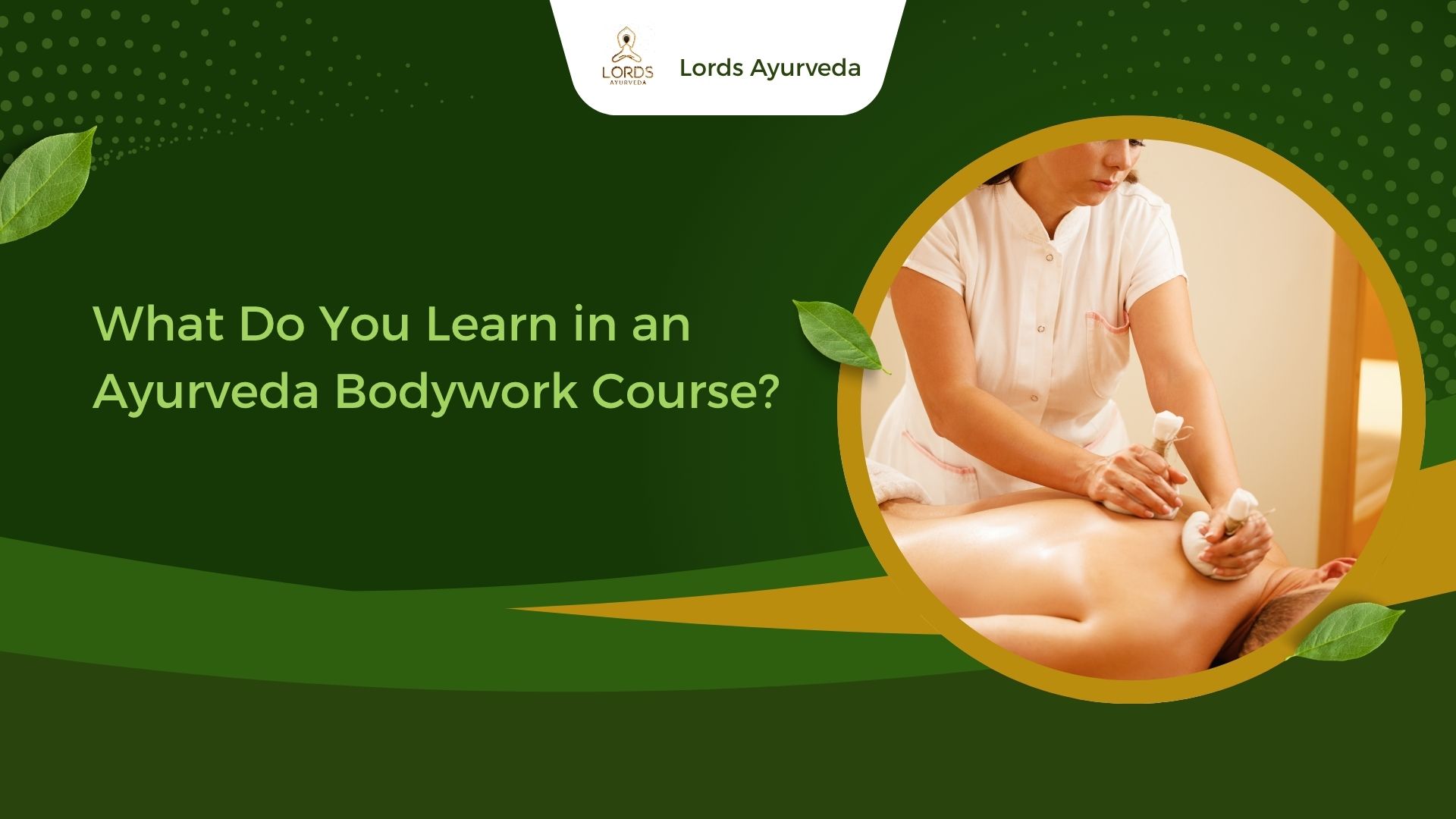
Elakizhi is a traditional Ayurvedic procedure involving herbal leaves prepared into boluses for application to the body. Learning about this practice may introduce students to the materials involved, preparation methods, and the sequence followed during supervised instruction.
Herbal materials require careful handling, and the suitability of a procedure can vary between individuals. Students should understand the importance of hygiene, temperature control, professional guidance, and appropriate safety precautions.
The exact level of practical instruction available should be confirmed with the training provider before enrolment.
5. Understanding Oils and Bodywork Materials
Different traditional bodywork methods may involve oils or other materials. Learning about their role can help students understand the preparation needed before a session begins.
Training may introduce the selection and handling of materials, cleanliness of equipment, storage practices, and preparation of the working area. The materials used depend on the technique and the programme’s curriculum.
Students should also understand that natural products are not automatically suitable for everyone. Appropriate professional guidance is important, especially when a person has skin sensitivity or another concern that may affect the suitability of a procedure.
6. Developing Practical Skills and Professional Awareness
Effective bodywork training involves more than learning movements. Students should also understand how to organise a session, communicate respectfully, maintain privacy, and follow hygiene procedures.
Practical learning may include preparing the workspace, positioning appropriately, handling equipment, and following the sequence of a technique. Supervised practice allows learners to receive feedback and understand where their skills need further development.
Professional awareness is equally important. Students should recognise when a procedure falls outside their training and when a client needs assessment by an appropriately qualified healthcare professional.
7. How to Choose an Ayurveda Bodywork Course
Before enrolling, compare the course curriculum, duration, practical sessions, instructor qualifications, eligibility criteria, and certificate awarded. Ask which techniques are included and whether students receive supervised hands-on instruction.
It is also useful to clarify the learning outcomes. A short bodywork programme may introduce traditional techniques, but it does not automatically provide the qualifications required to diagnose medical conditions or practise as an Ayurvedic doctor.
Choosing a course with clearly explained requirements helps learners understand what they can reasonably expect from the training.
Explore Ayurveda Bodywork Training at Lords Ayurveda Research Center
Lords Ayurveda Research Center in Kannur, Kerala, is a centre prospective learners can contact to enquire about Ayurveda-related education and traditional bodywork training.
Those interested in an Ayurveda Bodywork Course can ask about the current syllabus, practical training arrangements, course duration, eligibility, fees, and certification. Confirming these details before admission helps ensure that the programme matches your learning interests and expectations.
Whether you are beginning to explore traditional bodywork or expanding your understanding of Ayurvedic wellness practices, clear information about the curriculum can help you make an informed decision.
Conclusion
An Ayurveda Bodywork Course can introduce learners to traditional massage techniques, Ayurvedic bodywork concepts, and the practical skills involved in preparing and performing different procedures. Understanding the curriculum, supervised training, and professional requirements is an important step towards choosing a suitable programme.
Lords Ayurveda Research Center in Kannur, Kerala, welcomes enquiries from people interested in exploring Ayurveda-related education and traditional bodywork practices. Contact the centre to learn about current training options and confirm which programme best matches your learning goals.
Frequently Asked Questions
1. What do you learn in an Ayurveda Bodywork Course?
Depending on the curriculum, learners may study traditional massage methods, foundational Ayurvedic concepts, bodywork preparation, hygiene, and procedures such as Shirodhara or Elakizhi.
2. Can beginners enrol in an Ayurveda Bodywork Course?
Interested beginners can enquire about available programmes and confirm the entry requirements, previous experience needed, and practical training arrangements.
3. Why is supervised practical training important?
Supervised training helps learners understand the correct sequence of techniques, preparation methods, hygiene practices, and safety considerations.
4. What should I check before choosing a bodywork course?
Review the syllabus, course duration, instructor qualifications, practical sessions, fees, eligibility criteria, and certificate awarded.
5. Does an Ayurveda Bodywork Course qualify someone to become an Ayurvedic doctor?
No. A bodywork course does not automatically provide the recognised medical qualification or professional registration required to practise as an Ayurvedic doctor.