
Our veins are the main carriers of blood throughout the body. When they are twisted and swollen, these veins are called varicose veins, a condition that, besides being painful, gives the sensation of heaviness and causes visible discomfort. With time, this has been turning into a problem disquieting a great number of people. But can the old science of Ayurveda still be a solution? Ayurveda, much like nature, is a system of medicine that restores the lost balance through therapeutics and healing from the earth. We can learn from the Ayurveda Courses Kerala and the age-old wisdom that there is a solution to varicose veins
Understanding Ayurvedic Treatment for Varicose Veins
Varicose veins are the visibly enlarged, twisted veins that most commonly occur on the legs. Typically, veins are the vessels that carry blood back to the heart without any hiccups. But, in a case where the valves in the veins turn out to be weakened, blood flow will be blocked, and at a later stage, blood will be stored in the area, and that is the reason for those blue or purple lines to be the veins.
Besides being a cosmetic issue, untreated varicose veins can also lead to discomfort, heaviness, itching, swelling, skin discoloration, and in severe cases, ulcers. Understanding this condition early is important for proper care and long-term management.
Ayurveda’s Perspective on Varicose Veins
In Ayurveda, varicose veins are referred to as Siraja Granthi. This condition is mainly caused by an imbalance of the three doshas—Vata, Pitta, and Kapha.
When Vata becomes aggravated, it affects circulation and nerve function. Kapha can contribute to blockage and heaviness, while Pitta may create inflammation in affected areas. Together, these imbalances weaken the vein walls and disrupt normal blood flow.
Ayurvedic treatment focuses not only on symptoms but also on identifying the root cause of imbalance. The goal is to restore healthy circulation, strengthen vessels, and improve overall body function through natural methods.
Common Symptoms of Varicose Veins
- Visible enlarged, twisted, or bulging veins in the legs
● Heaviness or aching sensation in the legs
● Swelling in lower limbs, especially after long standing
● Itching or dryness around affected veins
● Night cramps or discomfort while resting
● Skin discoloration near the vein area
These symptoms may gradually increase if ignored, making early attention very important.
Root Causes of Varicose Veins
Varicose veins develop due to multiple lifestyle and physical factors. Some of the most common causes include:
- Long hours of standing or sitting
- Lack of physical activity
- Excess body weight
- Aging and weak vein walls
- Hormonal changes in women
- Pregnancy pressure on abdominal veins
- Poor diet and low fiber intake
- Constipation and abdominal pressure
All these factors affect blood circulation and increase pressure in the veins, leading to valve dysfunction and swelling.
Risk Factors
Age & Gender
As age increases, vein elasticity naturally decreases. Women are more prone due to hormonal changes, especially during pregnancy and menopause.
Weight Issues
Excess body weight increases pressure on lower limb veins, making circulation more difficult.
Pregnancy
During pregnancy, increased blood volume and uterine pressure can slow down blood flow in the legs.
Lifestyle Habits
Sedentary lifestyle, prolonged sitting, and lack of movement significantly contribute to vein weakness.
Understanding these risk factors helps in prevention and supports better lifestyle choices, especially during wellness programs like Panchakarma training in India.
Ayurvedic Approach to Management
Ayurveda focuses on natural healing methods to manage varicose veins. Treatment usually includes a combination of internal and external therapies along with lifestyle correction.
1. Herbal Support
Ayurvedic herbs are used to improve circulation, strengthen blood vessels, and reduce inflammation.
2. External Therapies
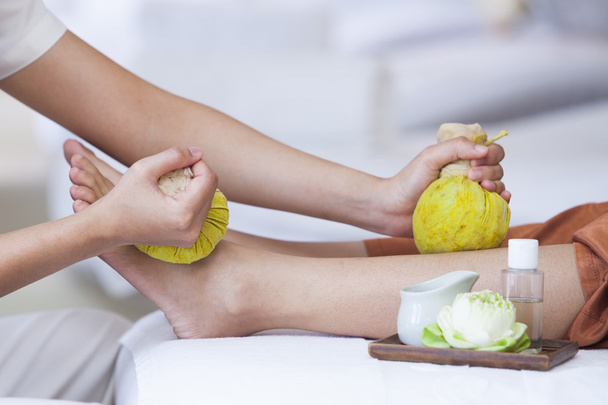
Oil massages and specific therapies help improve blood flow in affected areas and reduce heaviness.
3. Detoxification (Panchakarma)
Panchakarma therapies help remove toxins from the body and improve overall circulation and metabolic balance.
4. Diet and Lifestyle
A balanced diet rich in fiber, hydration, and light foods is recommended. Avoiding long sitting hours and incorporating movement is also important.
Panchakarma and Varicose Veins
Panchakarma is a key part of Ayurvedic healing that focuses on detoxification and rejuvenation. In cases of varicose veins, Panchakarma helps reduce toxin buildup, improves circulation, and restores dosha balance.
Therapies are selected based on the individual’s condition and body constitution. This personalized approach makes Ayurveda highly effective in chronic conditions.
Importance of Ayurveda Education
Learning Ayurveda through structured programs such as Ayurveda diploma programs or certification courses helps practitioners understand conditions like varicose veins in depth.
Students studying Ayurveda Courses Kerala gain knowledge in diagnosis, herbal therapy, lifestyle medicine, and holistic healing approaches. This allows them to apply natural treatment methods effectively in real-life practice.
Lifestyle Support in Ayurveda
Ayurveda strongly emphasizes lifestyle management as part of healing:
- Regular walking or light exercise
- Avoiding long periods of standing or sitting
- Elevating legs during rest
- Maintaining healthy body weight
- Eating fiber-rich and light meals
- Staying hydrated
- Practicing yoga and breathing exercises
These habits support circulation and reduce vein pressure naturally.
Prevention Tips
Prevention plays a major role in Ayurvedic care of varicose veins:
- Maintain active daily routine
- Avoid tight clothing around legs and waist
- Include stretching exercises
- Take breaks during long sitting hours
- Follow a balanced Ayurvedic diet
These simple practices help maintain healthy blood flow and prevent worsening of symptoms.
Conclusion
Varicose veins are a circulatory condition that develops due to weakened vein walls and poor blood flow. Ayurveda offers a natural and holistic approach to managing this condition by addressing its root cause through dosha balance, herbal support, detoxification, and lifestyle correction.
With proper Ayurvedic guidance, Panchakarma therapies, and healthy daily habits, it is possible to manage symptoms effectively and improve quality of life. Ayurveda not only focuses on treatment but also on long-term prevention and overall well-being, making it a sustainable approach for vascular health and holistic healing.