

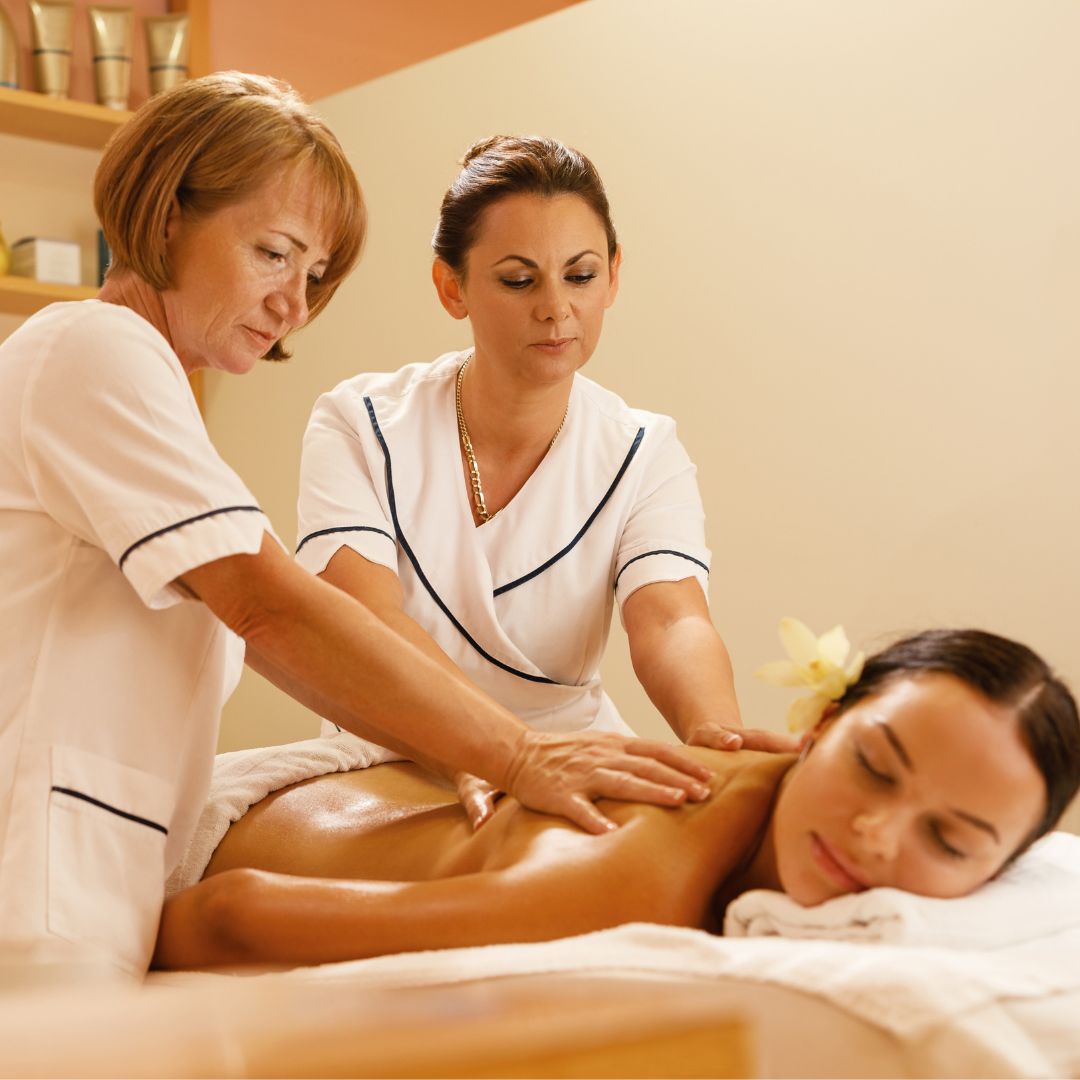
The growing interest in natural wellness and holistic healing has made Kerala one of the most preferred destinations for Ayurvedic education. Known for its traditional healing heritage, herbal richness, and authentic therapy methods, Kerala attracts students from across the world who wish to study Ayurveda in a practical and traditional environment. Today, many learners choose Ayurveda Courses in Kerala to gain knowledge about natural therapies, healthy living, herbal medicine, Panchakarma, and preventive healthcare.
Unlike ordinary classroom programs, Ayurveda education in Kerala focuses on both theory and real-world practice. Students are introduced to ancient healing concepts while also learning hands-on therapies and wellness techniques used in traditional Ayurvedic treatments. These courses are suitable for wellness professionals, therapists, yoga practitioners, healthcare workers, and individuals interested in natural healing methods.
If you are planning to join Lords Ayurveda, understanding the subjects and practical skills included in the training can help you choose the right learning path.
Learning the Foundations of Ayurveda
Every Ayurvedic training program begins with the basic principles of Ayurveda. Students are introduced to the philosophy behind natural healing and the relationship between the body, mind, food, environment, and lifestyle.
Understanding the Three Doshas
One of the central topics covered in Ayurveda Courses in Kerala is the study of Vata, Pitta, and Kapha doshas. Ayurveda explains that these three energies control different functions of the body and mind. Each person has a unique balance of these doshas, and imbalance may affect physical and emotional wellbeing.
Students learn how doshas influence:
- Digestion
- Sleep quality
- Skin condition
- Stress levels
- Energy patterns
- Body structure
This understanding helps learners identify imbalance patterns and select suitable wellness practices.
Studying Prakriti and Vikriti
Ayurveda focuses strongly on individual body constitution. Students learn how to identify a person’s natural body type, known as Prakriti, along with temporary imbalance conditions called Vikriti.
This knowledge is useful for creating personalized wellness recommendations related to diet, lifestyle, therapies, and daily routines.
Introduction to Marma Therapy
Marma points are considered sensitive energy locations within the body. Traditional Ayurveda uses these points to support circulation, relaxation, and energy balance.
In many Ayurveda Courses in Kerala, students receive basic knowledge about Marma locations, their significance, and how gentle stimulation techniques are used in traditional therapies.
Practical Training in Panchakarma Therapies
Kerala is internationally recognized for Panchakarma therapies and traditional Ayurvedic treatments. Because of this, practical training forms an important part of many Ayurveda programs.
Panchakarma Detoxification Methods
Panchakarma is a purification process used in Ayurveda to remove accumulated toxins from the body. Students learn the purpose of cleansing therapies and the role of detoxification in maintaining balance and wellness.
Training sessions may include:
- Preparatory oil therapies
- Steam applications
- Cleansing procedures
- Patient preparation methods
- Post-therapy care
Learning these methods gives students practical exposure to classical Ayurvedic wellness practices.
Traditional Kerala Therapy Techniques
Students enrolled in Ayurveda Courses in Kerala often learn traditional therapy procedures that have been practiced in Kerala for generations. Some commonly introduced therapies include:
- Abhyanga full-body oil massage
- Pizhichil warm oil therapy
- Elakizhi herbal poultice massage
- Head massage techniques
- Relaxation therapies
These therapies are widely used in wellness centers, Ayurvedic resorts, and holistic healing programs.
Learning Shirodhara Therapy
Shirodhara is one of Kerala’s most recognized Ayurvedic therapies. In this treatment, warm herbal oil flows gently over the forehead in a continuous rhythm.
Students learn:
- Preparation techniques
- Oil selection methods
- Therapy setup
- Practical application steps
- Wellness benefits associated with the therapy
Shirodhara is commonly included in Ayurvedic wellness programs focused on relaxation and mental calmness.
Herbology and Ayurvedic Medicine Knowledge
Herbal education is another important section included in Ayurveda Courses in Kerala. Kerala’s tropical climate supports the growth of many medicinal plants used in traditional healing systems.
Identifying Ayurvedic Herbs
Students are introduced to medicinal herbs, roots, spices, leaves, and natural ingredients used in Ayurvedic preparations. They learn how different herbs are selected according to body constitution and wellness needs.
Topics may include:
- Herbal properties
- Traditional uses
- Storage techniques
- Preparation basics
- Herb combinations
Medicine Preparation Training
Some Ayurveda courses also provide demonstrations or practical sessions related to traditional medicine preparation. Students may observe the preparation of:
- Herbal oils
- Decoctions
- Powders
- Medicated pastes
- Herbal mixtures
This training gives learners a better understanding of how Ayurvedic remedies are traditionally prepared and used.
Ayurvedic Food and Lifestyle Education
Ayurveda considers food and daily routine essential for maintaining long-term wellness. Because of this, many Ayurveda Courses in Kerala include lifestyle management and nutrition-based subjects.
Ayurvedic Nutrition Principles
Students learn the importance of digestion and how food influences overall balance. Ayurveda explains that proper eating habits help support physical strength, energy, and wellbeing.
Training may include:
- Seasonal diet planning
- Food combinations
- Digestive health
- Meal timing
- Dosha-based nutrition
This knowledge helps students understand the connection between food and natural wellness.
Daily Routine and Seasonal Care
Ayurveda encourages healthy routines that support immunity and balance throughout the year. Students learn about:
- Morning wellness habits
- Sleep routines
- Meditation practices
- Breathing exercises
- Self-care techniques
- Seasonal lifestyle adjustments
These practices are designed to support healthier living naturally.
Benefits of Joining Ayurveda Courses in Kerala
Many students choose Ayurveda Courses in Kerala because they combine traditional wisdom with practical experience. Kerala offers a peaceful environment where students can learn directly from experienced practitioners while observing authentic Ayurvedic therapies in real settings.
These courses may help learners:
- Build wellness therapy skills
- Understand natural healing systems
- Explore Ayurvedic lifestyle practices
- Gain practical therapy exposure
- Improve personal health awareness
- Support future wellness careers
As interest in natural healthcare continues to grow globally, Ayurvedic knowledge is becoming valuable in wellness tourism, holistic therapy centers, spas, and lifestyle coaching fields.
Conclusion
Joining Ayurveda Courses in Kerala offers much more than academic learning. It provides an opportunity to understand traditional healing methods, holistic wellness principles, herbal knowledge, Panchakarma therapies, and healthy lifestyle practices in an authentic environment.
From learning the science of doshas to practicing traditional Kerala therapies, students gain practical experience that connects ancient Ayurvedic wisdom with modern wellness needs. Kerala’s strong Ayurvedic tradition, experienced teachers, and hands-on learning approach make it one of the best destinations for studying Ayurveda naturally and professionally.