
A Herbal Medicine Course is a structured way to learn about medicinal plants and their traditional uses. Herbs have been valued for generations in different cultures for their role in traditional wellness practices. Studying them through a proper course can help learners understand plants, their properties, preparation methods and responsible use.
Herbal education is not only about memorising plant names. It also involves learning how different parts of a plant are traditionally selected, prepared and stored. With organised lessons and practical guidance, students can develop a clearer understanding of herbal practices.
What Is a Herbal Medicine Course?
A Herbal Medicine Course introduces learners to the basic knowledge needed to understand medicinal herbs. Depending on the programme, subjects may include plant identification, traditional herbal properties, preparation techniques and safe handling.
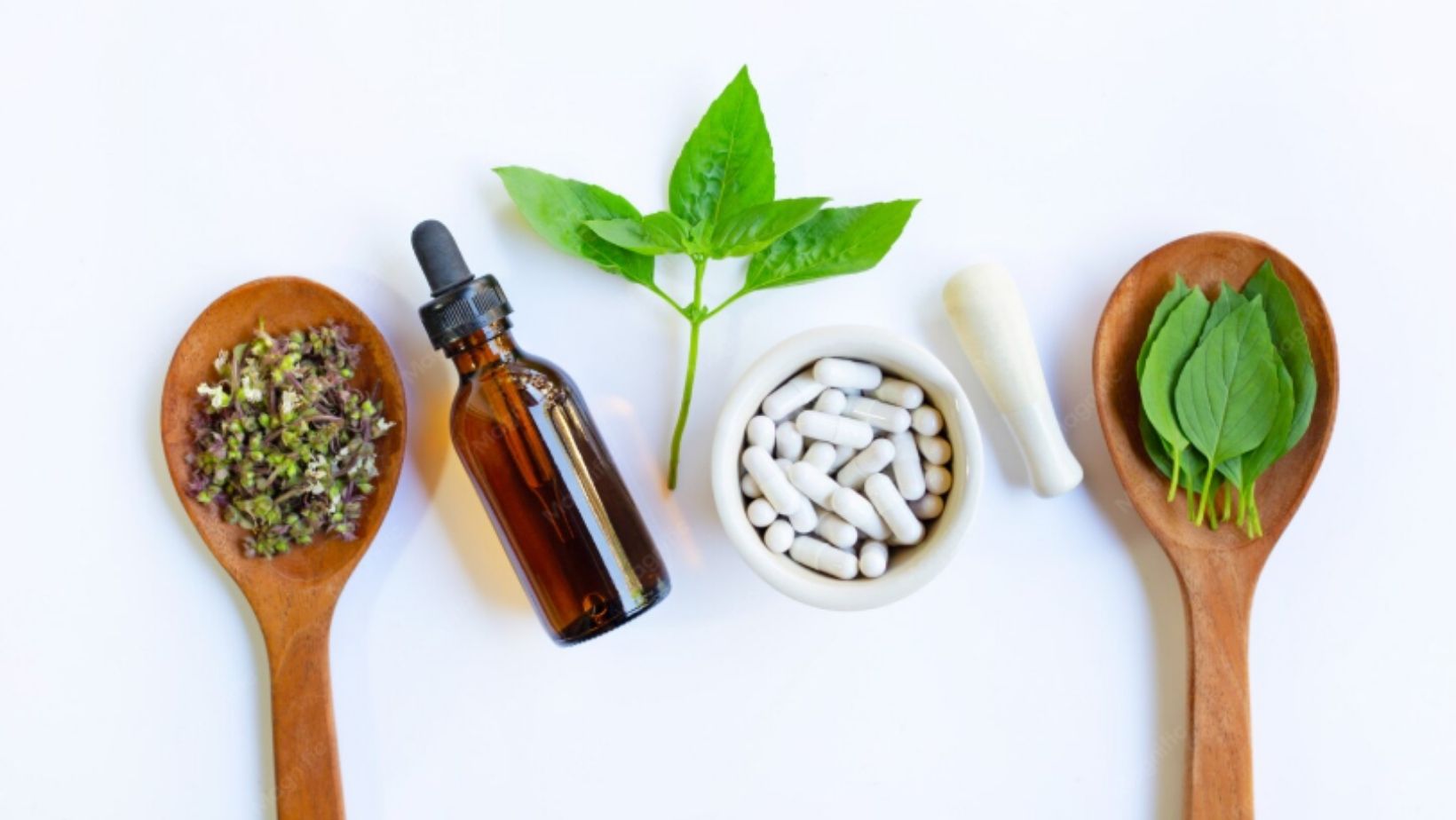
Students may learn about leaves, roots, seeds, flowers, bark and other plant parts used in traditional preparations. They can also explore how preparation methods may differ according to the type of herb and its traditional purpose.
The syllabus can vary between programmes, so learners should check the course content before enrolling.
What Can You Learn?
A well-designed Herbal Medicine Course may cover several areas of herbal education, including:
- Introduction to medicinal plants
- Basic plant identification
- Traditional uses of common herbs
- Different parts of medicinal plants
- Herbal oils and preparations
- Infusions and decoctions
- Drying and storage methods
- Basic formulation concepts
- Handling of plant materials
- Responsible herbal practices
These topics can help students build knowledge gradually and understand herbs beyond their common names.
Why Study Herbal Medicine?
Learning about herbs can be useful for people interested in traditional wellness and plant-based knowledge. It may also complement studies in Ayurveda, traditional therapies, massage and other wellness fields.
A structured programme can help learners understand how herbal knowledge has developed through traditional practices. It can also encourage careful selection and preparation rather than relying on unverified information.
For beginners, guided learning provides a clear starting point. Students can build their knowledge step by step and become familiar with different herbs and preparation methods.
Who Can Join the Course?
A Herbal Medicine Course may be suitable for Ayurveda students, wellness learners, traditional therapy practitioners and people with an interest in medicinal plants.
Beginners can choose programmes that introduce basic concepts, while learners with previous knowledge may prefer more detailed training.
Before choosing a course, students should consider the syllabus, practical sessions, duration, teaching method and certificate offered.
Importance of Responsible Learning
Herbs should always be studied and used carefully. Natural products are not automatically suitable for everyone. Certain plants may cause unwanted reactions or interact with medicines.
Good herbal education should therefore include responsible handling, correct identification and awareness of possible risks. Students should also understand the limits of traditional herbal knowledge.
Herbal learning should never encourage people to ignore professional medical care. Anyone with a serious health concern should seek advice from a qualified healthcare professional.
Conclusion
A Herbal Medicine Course can provide a structured introduction to medicinal plants and traditional herbal practices. Through theory, practical learning and responsible study, learners can develop a better understanding of herbs and their traditional applications. Lords Ayurveda can be an option for those interested in expanding their knowledge of Ayurveda and herbal practices.
FAQs
What is a Herbal Medicine Course?
It is a programme that teaches learners about medicinal plants, traditional uses, preparation methods and responsible herbal practices.
Can beginners join?
Yes. Many introductory programmes are designed to help beginners understand basic herbal concepts without previous experience.
What subjects are included?
Subjects may include medicinal plants, plant identification, traditional uses, herbal preparations, storage and responsible handling.
Is herbal medicine safe for everyone?
Not necessarily. Some herbs can cause reactions or interact with medicines, so suitable professional guidance is important.